How Smart Home Technology Is Changing the Way Singapore Homes Stay Clean
Smart home technology is no longer a future concept. It is already part of daily life in many Singapore households. Devices that automate lighting, control temperature, and manage security are now common. At the same time, cleaning habits are quietly changing because of these technologies.
In the past, keeping a home clean depended heavily on manual effort and fixed routines. Today, homeowners rely on a mix of automation and practical cleaning methods. This shift is especially noticeable in Singapore, where space is limited and daily schedules are packed.
Understanding how technology affects cleaning helps homeowners make better decisions and maintain a comfortable living environment without unnecessary stress.
Smart Living Is Now the Standard in Singapore
Singapore has always been quick to adopt new technology. This applies not only to workplaces but also to homes. Many households now use smart devices to manage daily tasks more efficiently.
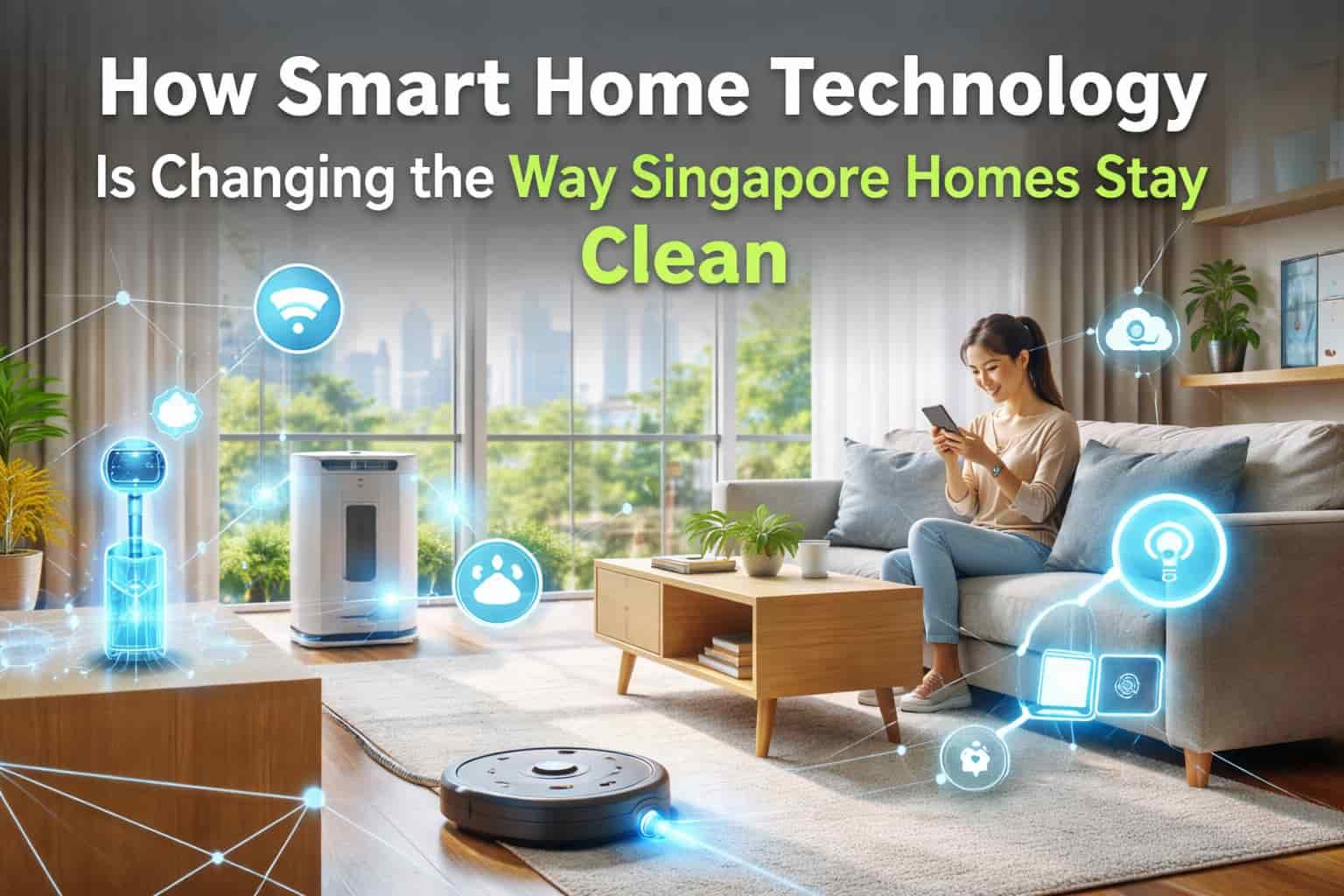
Common examples include robotic vacuum cleaners, air purifiers with sensors, and app-controlled appliances. These tools help reduce the effort needed to maintain basic cleanliness. A robotic vacuum, for instance, can handle daily dust and small debris. Air purifiers can monitor indoor air quality and adjust automatically.
However, these tools do not replace proper cleaning. They only support it. Dirt still builds up in hidden areas. Grease still forms in kitchens. Bathrooms still require thorough scrubbing. This creates a new balance between automation and manual effort.
Higher Expectations for Cleanliness
Technology has raised expectations in subtle ways. When a home is equipped with smart devices, everything feels more organised and controlled. Because of this, any sign of dirt becomes more noticeable.
Homeowners now expect their living space to feel clean at all times, not just after a weekly cleaning session. Dust on shelves, stains on surfaces, or clutter in corners stand out more clearly in a well-managed environment.
This shift leads to more frequent cleaning habits. People pay closer attention to details and aim for consistent cleanliness rather than occasional deep cleaning. While this improves living conditions, it also increases the effort required to maintain those standards.
Busy Lifestyles Create a Gap
Singapore’s fast-paced lifestyle makes it difficult to keep up with these higher expectations. Many people work long hours and manage multiple responsibilities. Even with smart devices, there is still a gap between daily upkeep and proper deep cleaning.
Technology can handle simple tasks, but it cannot:
- Remove stubborn grease from kitchen surfaces
- Clean bathroom grout thoroughly
- Reach tight spaces behind furniture
- Prepare a home for inspection or handover
As a result, many households look for practical ways to maintain cleanliness without sacrificing time and energy. Instead of trying to handle everything alone, they focus on efficiency.
For many, this means relying on reliable home cleaning support in Singapore to handle more demanding tasks while they focus on their daily commitments.
Smart Devices Do Not Replace Deep Cleaning
It is easy to assume that smart homes require less cleaning. In reality, they require a different type of cleaning approach. Devices handle repetitive tasks, but they do not address deeper issues.
For example, a robotic vacuum may clean visible dust, but it cannot remove dirt trapped in corners or under heavy furniture. Similarly, air purifiers improve air quality but do not eliminate dust sources completely.
Ignoring these limitations can lead to a gradual build-up of dirt that becomes harder to manage over time. Homeowners need to recognise that technology is only part of the solution.
Data Makes Cleaning More Targeted
One advantage of smart home technology is access to data. Devices can track air quality, humidity levels, and usage patterns. This information helps homeowners understand how their living environment changes throughout the day.
For example, high humidity levels may increase the risk of mould. Frequent use of certain areas may lead to faster dirt accumulation. Air quality readings can indicate dust levels in the home.
With this data, cleaning becomes more targeted. Instead of following a fixed schedule, homeowners can focus on areas that need attention. This improves efficiency and reduces unnecessary effort.
However, having data does not solve the problem completely. It still requires time and proper tools to act on that information.
Moving Situations Highlight the Limits of Technology
The limitations of smart cleaning become very clear during moving periods. Whether moving into a new home or preparing to hand over a property, cleaning requirements become much more detailed.
In Singapore, landlords and property agents expect homes to be returned in good condition. This often includes cleaning areas that are usually overlooked during regular maintenance.
Smart devices are not designed for this level of cleaning. They cannot handle:
- Inside cabinets and storage spaces
- Built-up grime from long-term use
- Detailed bathroom and kitchen cleaning
- Inspection-level finishing
Because of this, many homeowners seek help with move out cleaning before handover to ensure the property meets expectations and avoids unnecessary issues.
Clean Homes Support Mental Wellbeing
The impact of a clean home goes beyond physical appearance. It also affects mental wellbeing. A clean and organised environment reduces stress and improves focus.
Smart technology contributes to this by reducing small daily tasks. When these minor tasks are automated, people become more aware of the overall condition of their home. Clutter and dirt become more noticeable.
This awareness encourages better cleaning habits. Homeowners aim to maintain a space that feels comfortable and easy to manage. However, achieving this consistently requires a combination of automation and proper cleaning practices.
Finding the Right Balance
Maintaining a clean home in a smart living environment requires balance. Relying entirely on technology is not effective. At the same time, handling everything manually can be exhausting.
A balanced approach includes:
- Using smart devices for daily maintenance
- Scheduling regular cleaning for deeper tasks
- Addressing problem areas before they worsen
- Getting additional support when needed
This approach helps homeowners maintain a clean environment without unnecessary pressure.
Common Mistakes in Smart Home Cleaning
Many homeowners make similar mistakes when adjusting to smart living. These mistakes often come from overestimating what technology can do.
Some common issues include:
- Assuming devices can replace deep cleaning
- Ignoring areas that are not visible
- Delaying cleaning tasks due to convenience
- Forgetting to maintain cleaning devices
For example, a robotic vacuum requires regular maintenance. If its filter is not cleaned, its performance will drop. Over time, this reduces its effectiveness and creates more work later.
Recognising these mistakes helps maintain a more efficient cleaning routine.
The Role of Space in Singapore Homes
Space plays a major role in cleaning habits. Many Singapore homes, especially HDB flats and condominiums, have limited space. This means dirt and clutter can build up quickly.
Smart storage solutions and compact designs help manage space efficiently. However, they also create tight areas that are harder to clean. Dust can accumulate behind furniture, inside storage units, and along edges.
This makes regular cleaning more important. Even with smart devices, these areas require attention to maintain a healthy living environment.
Technology Encourages Consistency
One positive effect of smart home technology is consistency. Devices operate on schedules and routines. This encourages homeowners to adopt similar habits.
For example, a robotic vacuum may run daily at a fixed time. This creates a baseline level of cleanliness. Homeowners can then focus on tasks that require more attention.
Consistency reduces the workload over time. Instead of dealing with heavy cleaning sessions, tasks are spread out more evenly. This makes cleaning more manageable.
Cleanliness Still Requires Human Effort
Despite all the advancements in technology, the basics of cleaning remain the same. Surfaces need to be wiped. Floors need to be properly cleaned. Bathrooms require sanitisation.
Technology improves efficiency, but it does not remove responsibility. It supports the process, but human effort is still required to maintain proper standards.
Understanding this helps homeowners avoid unrealistic expectations and maintain a more practical approach to cleaning.
A Practical Approach to Modern Home Care
The most effective way to maintain a clean home today is to combine technology with practical habits. This means using devices to handle routine tasks while addressing deeper cleaning needs separately.
Homeowners who adopt this approach experience less stress and better results. They can enjoy the convenience of smart living without neglecting important cleaning tasks.
A clean home remains one of the most important factors in creating a comfortable and healthy living environment. Technology enhances this process, but it does not replace it.
By understanding its role and limitations, homeowners in Singapore can make smarter choices and maintain a home that truly supports their daily life.